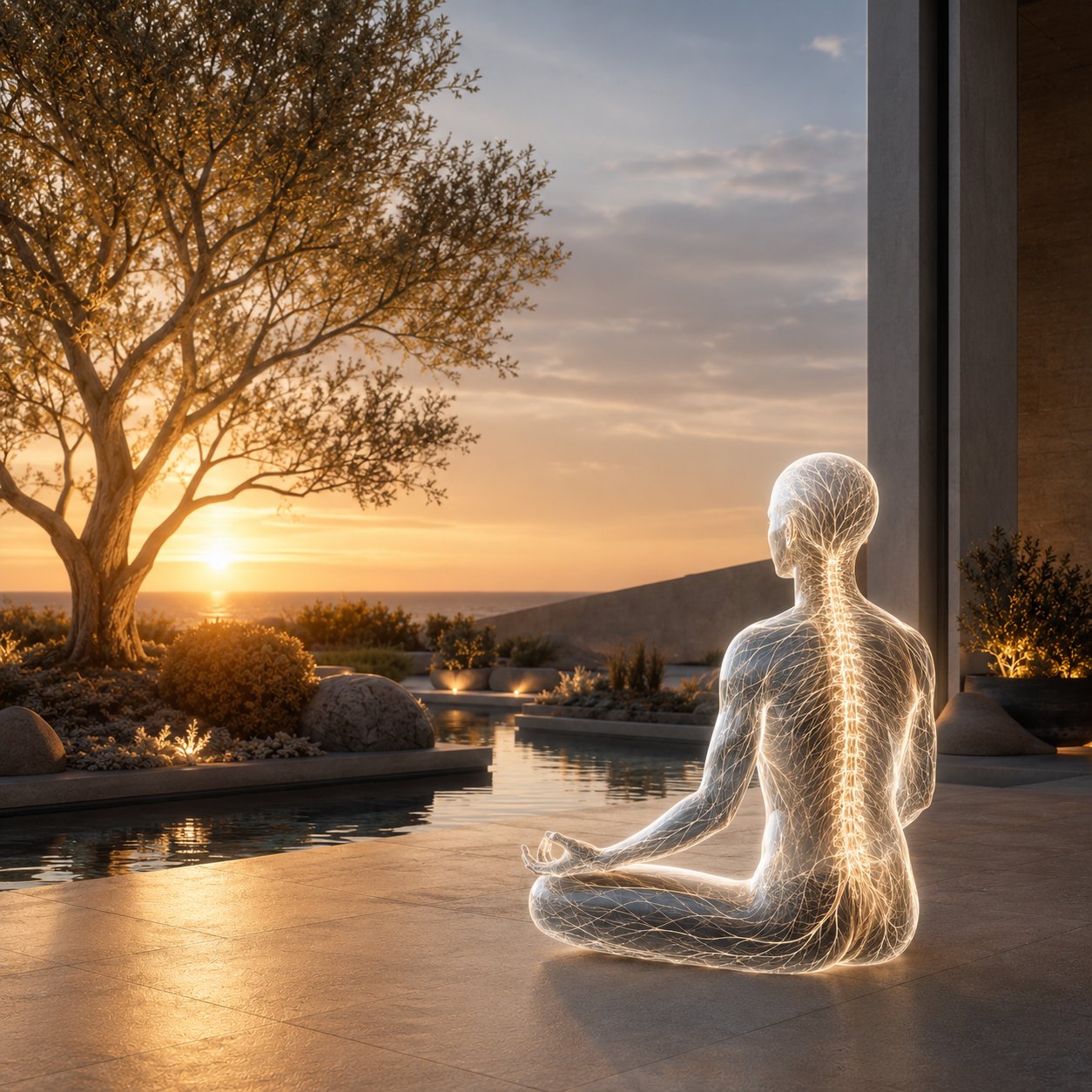
Much of the conversation around longevity focuses on extension. Longer lifespans. Better healthspan. Slowing biological ageing. Preserving physical performance and cognitive function for as long as possible.
But beneath much of this lies a deeper concern that we rarely articulate. Not simply the fear of death, but the fear of decline. The fear of losing autonomy. Losing sharpness. Becoming dependent. Becoming less capable in systems that increasingly reward speed, adaptability and performance.
This may explain why conversations around ageing have changed so noticeably in recent years. We are not only trying to live longer. We are trying to remain functional, relevant and mentally present for longer.
In many ways, this is understandable. We are working later into life. Retirement itself looks increasingly uncertain for large parts of the population. Cognitive performance matters economically in ways it perhaps never has before. Entire industries now depend on sustained attention, responsiveness and intellectual agility.
Against that backdrop, ageing no longer feels like a distant life stage. It feels like something we are continually negotiating.
The emotional intensity surrounding wellness and longevity culture makes more sense in this light. Supplements, exercise, recovery tracking, preventative medicine and health routines are often discussed as lifestyle choices, but many also function psychologically as forms of reassurance.
Evidence that something is being done. That decline is being delayed, managed or negotiated.
The deeper concern is not always mortality itself. Often, it is the prospect of losing agency. The inability to think clearly. To move freely. To participate socially. To maintain independence. To continue recognising ourselves inside our own lives.
Research into healthy ageing increasingly reflects this shift. The emphasis is moving away from lifespan alone and toward preserving physical, cognitive and social functioning over time.
That broader definition matters because it reframes ageing entirely. Health is no longer viewed only through the lens of illness or survival. It becomes tied to identity, participation and quality of life.
Perhaps this is why so much of the pursuit of health now feels emotionally charged. It is not only about appearance or performance. It is about preserving a version of ourselves capable of continuing to engage fully with life.
But it is also worth recognising what sits underneath some of this urgency.
We are trying to protect more than our bodies. We are trying to preserve continuity with ourselves in a world that often moves faster than the human nervous system was designed to tolerate.
Subscribe to stay connected.
New series and updates delivered directly to you.